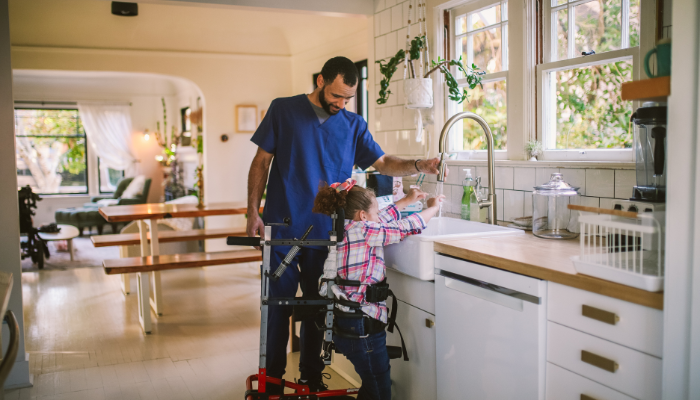
What is Progressive Supranuclear Palsy (PSP)?
Progressive Supranuclear Palsy (PSP) is a rare neurological disorder that causes difficulty with balance, movement, vision, and speech.
It is also known as Steele-Richardson-Olszewski Syndrome or PSP. PSP affects approximately 20,000 people in the United States and approximately 50,000 individuals worldwide. The cause of PSP is unknown but research suggests that it may be due to a combination of genetic and environmental factors. There are two types of PSP: primary progressive and secondary progressive.
Difficulties Faced By Patients With Progressive Supranuclear Palsy:
Patients with Progressive Supranuclear Palsy face numerous difficulties in day-to-day life including balance problems; falling; impaired vision; slowness of movement; dysphagia; rigidity; depression; cognitive impairment; and changes in personality. These difficulties can significantly impact the quality of life for patients living with PSP as well as for friends, family members and caregivers who are caring for them.
Kinsa Care Approach to Progressive Supranuclear Palsy:
At Kinsa Care we recognise that providing complex care services for any condition requires an individualised approach that takes into account not just the medical needs but also the emotional needs of our clients and their families. Our dedicated team will work closely with patients living with Progressive Supranuclear Palsy, as well as their families, to develop an individualised care plan tailored specifically towards meeting each client’s needs while helping them achieve maximum independence.
Our nurses are experienced in providing support services through medication management, physical therapy sessions aimed at improving mobility and strength training exercises designed to help prevent falls and improve balance issues caused by rigidity associated with PSP. We also provide psychological services such as counselling sessions that allow our clients to explore feelings associated with having a chronic illness along with social activities designed at increasing quality of life such as music therapy programs that help lower anxiety levels while providing a sense of joy from engaging in creative activities like playing instruments or singing songs together during group sessions.
Finally, we provide caregiver support through respite care programs giving parents/caregivers much-needed breaks from caring for their loved ones while still ensuring client safety during these periods away from home.