
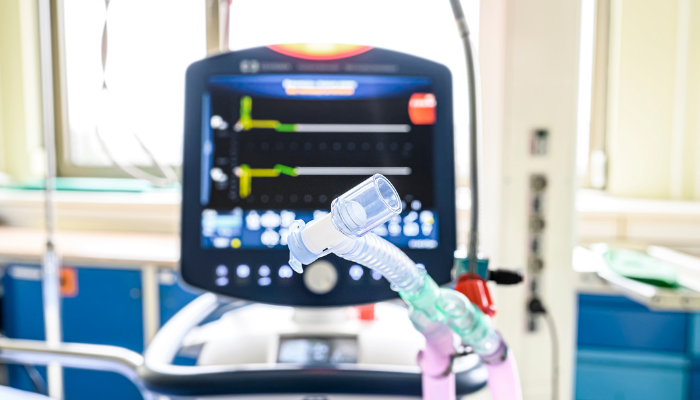
Long-term ventilators are medical devices designed to provide mechanical ventilation for individuals who have experienced a sudden inability to sustain spontaneous breathing due to an underlying health condition. These conditions can include chronic obstructive pulmonary disease (COPD), neuromuscular diseases, chest trauma, and brain injury.
The ventilator delivers air or other gases through a face mask, tracheostomy tube, or endotracheal tube into the lungs of its user. This helps the patient to breathe by providing oxygen or removing carbon dioxide from their bloodstream.
Difficulties Faced By Patients On Long-Term Ventilation
Patients who require long-term ventilatory support often experience a range of difficulties related to their illness, the equipment used for ventilation, and the associated lifestyle changes that come with relying on a long-term ventilation device. These difficulties can include:
- Difficulty with mobility due to being bedbound for long periods;
- Stress or psychological distress associated with loss of independence;
- Risk of developing secondary infections due to prolonged hospitalization;
- Issues with skin integrity due to pressure points caused by the equipment;
- Stress on caregivers and family members due to increased caregiving duties;
- Increased risk of developing respiratory depression if not monitored correctly; and
- Overheating caused by air restriction which can lead to discomfort.
Kinsa Care Approach To Long-Term Ventilation
At Kinsa Care, we understand that providing quality care for patients who require long-term ventilation can be difficult due to the complexities and challenges associated with such treatments. We strive to ensure that our clients receive comprehensive care tailored specifically to their needs, so they can live as independently as possible. Our approach includes:
- Comprehensive assessments – detailed assessment of clients’ current state so that we can develop a plan tailored specifically for them;
- Disease education – teaching clients about their condition and how best to manage it along with proper use of a ventilator and other equipment-related treatments;
- Patient monitoring – ongoing monitoring of vital signs like oxygen levels in the blood, heart/breathing rate etc., and laboratory tests where required;
- Medication management – ensuring medications are taken properly and managing any side effects that may arise from treatment;
- Respite support – providing respite care when needed when primary caregivers need breaks from care duties;
- Psychosocial support – addressing any psychological issues related to living with an illness like depression and anxiety etc.;
- Community reintegration– supporting clients’ return back into their community after hospital discharge.
Kinsa Care provides comprehensive complex care services tailored specifically towards those requiring long-term ventilatory support. Our team understands all aspects associated with long-term ventilator use including both physical and psychological complications faced by patients which helps us provide comprehensive care plans for our clients geared towards helping them achieve a better quality of life while using such equipment.
Lorem ipsum dolor sit amet, consectetur elit

Community
Lorem ipsum dolor sit amet, consectetur adipiscing elit.
Compassion
Lorem ipsum dolor sit amet, consectetur adipiscing elit.
Reliability
Lorem ipsum dolor sit amet, consectetur adipiscing elit.
Caring
Lorem ipsum dolor sit amet, consectetur adipiscing elit.
Lorem ipsum dolor sit amet, consectetur elit
Lorem ipsum dolor
Lorem ipsum dolor sit amet, consectetur adipiscing elit.
Lorem ipsum dolor
Lorem ipsum dolor sit amet, consectetur adipiscing elit.
Lorem ipsum dolor
Lorem ipsum dolor sit amet, consectetur adipiscing elit.